
How to Choose a Trusted Melamine Plywood Supplier for Furniture Manufacturing Needs?
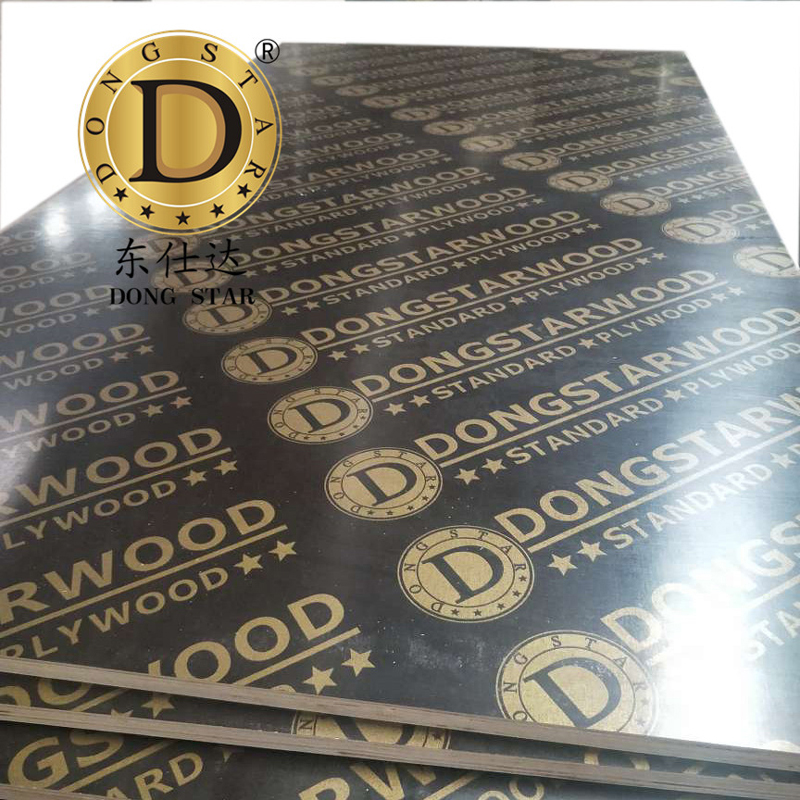
Selecting a Melamine Plywood Supplier requires verifying 95% surface bond integrity via peel tests, confirming moisture content stays between 8% and 12%, and auditing their ISO 9001:2015 certification status. A top-tier provider maintains a minimum 15% annual investment in automated lamination lines and provides batch-specific formaldehyde test reports showing emissions below 0.05 ppm. Manufacturers must evaluate the supplier's ability to process at least 5,000 sheets monthly while maintaining thickness tolerances within +/- 0.2mm to ensure automated furniture assembly lines operate without interruption or material calibration shifts.
The surface finish of melamine plywood depends heavily on the pressure-to-heat ratio applied during the bonding of the decorative paper to the core. High-quality production lines apply between 1.5 and 2.0 MPa of pressure at temperatures reaching 180 degrees Celsius for approximately 45 to 60 seconds per press cycle.
Factories that utilize automated short-cycle presses exhibit a 98% lower defect rate compared to those relying on manual loading mechanisms.
Consistency in the core structure dictates how the material behaves under CNC machining operations. If the core contains more than 3% voids or uneven density, drill bits and saw blades experience rapid wear, increasing replacement costs by nearly 12% over a 12-month period.
| Feature | Quality Metric | Industry Standard |
| Glue Bond Strength | > 0.8 MPa | EN 314-2 Class 1 |
| Formaldehyde | < 0.05 ppm | CARB P2 |
| Thickness Variance | +/- 0.2 mm | ISO 16999 |
When evaluating potential manufacturing partners, analyzing the wood species composition reveals much about durability. Suppliers offering birch or high-grade eucalyptus cores provide superior screw-holding capacity compared to softer poplar variants.
Test results from 2025 independent laboratory studies show that birch-core plywood retains 14% higher fastener torque resistance after repeated assembly cycles than lower-density alternatives.
A professional vendor provides detailed documentation regarding the grammage of the melamine-impregnated paper used in production. A standard weight of 80 to 120 grams per square meter ensures the surface resists common domestic abrasion, verified by at least 300 to 500 cycles on a Taber abrader.
Reliable operations often provide digital traceability for every shipment, allowing manufacturers to view the exact production date and raw material source of their panels. Companies that retain samples from every production batch for 24 months demonstrate high accountability regarding their quality management systems.
A supplier maintaining a 0.5% rejection rate among their own internal quality checks typically delivers more stable output than those claiming a perfect zero-defect history without supporting data.
Moisture resistance remains a primary concern for furniture destined for kitchen or bathroom applications. A reputable factory performs boiling tests for 72 hours, ensuring the plywood does not suffer from delamination or excessive thickness swelling beyond 8%.
Advanced production facilities integrate computerized moisture meters that scan every single board before it moves to the packaging stage. This automated screening prevents wet or warped panels from reaching the shipping container, effectively lowering the return rate by 9% compared to traditional visual inspection methods.
Logistics capabilities influence the condition of the boards upon arrival at the manufacturing facility. Suppliers who use edge protectors and reinforced pallets reduce transit damage by 20% for international shipments lasting over 30 days.
Storing plywood in climate-controlled environments at 20 degrees Celsius with 45% relative humidity preserves the flatness of the panels until they are loaded into production lines.
Purchasing departments should request specific data regarding the adhesive types utilized in the core assembly. Phenol-formaldehyde glues offer superior exterior-grade resistance, while urea-formaldehyde variants are preferred for indoor residential furniture projects.
Verifying the presence of an onsite laboratory allows for immediate feedback during production runs. Facilities that conduct daily tests on internal bond strength and edge screw holding ensure that batches meet the required mechanical specifications every single time.
By focusing on these measurable technical metrics, manufacturers build a stable supply chain that supports long-term growth. Consistent material supply eliminates the need for frequent equipment adjustments and reduces material waste, ultimately optimizing the entire fabrication process.